
Migraine Through the Ayurvedic Lens.
Understanding the Types, Causes, and Gentle Ways to Find Relief
Migraines are more than “just headaches.”
They affect the nervous system, digestion, emotions, and the body’s ability to tolerate light, sound, and movement. Ayurveda has long understood this complexity and offers a root-cause, individualized perspective rather than a one-size-fits-all solution.
Instead of asking “What painkiller will stop this?”, Ayurveda asks:
Which dosha is disturbed, and why is the body expressing pain in the head?
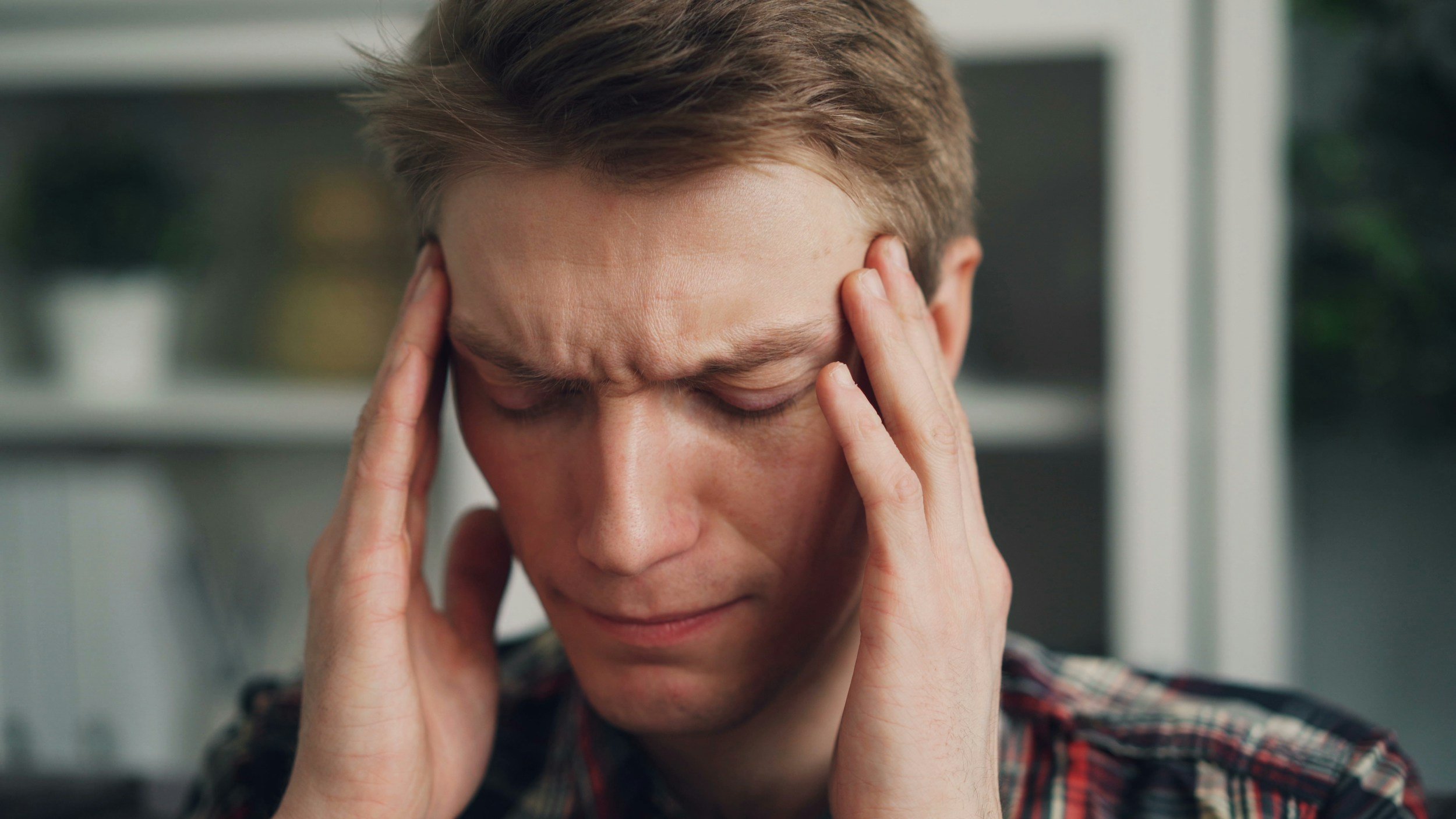
How migraines feel in Ayurveda (dosha-wise understanding)
Vata-type migraine
How it feels
Sharp, piercing, throbbing, or shifting pain
Pain may move from one side to another
Dryness, anxiety, restlessness
Worse with cold wind, travel, irregular meals, lack of sleep
Root cause
Vata governs the nervous system and movement. When aggravated, it creates instability, dryness, and spasmodic pain in the head and neck.
Pitta-type migraine
How it feels
Burning, pounding, or intense pain
Sensitivity to light, heat, smells, and noise
Nausea, acidity, irritability, anger
Worse with sun exposure, heat, spicy or sour foods
Root cause
Excess heat and inflammation disturb blood flow and nerve tissues in the head, leading to intense, fiery pain.
Kapha-type headache (less common migraine form)
How it feels
Dull, heavy, pressure-like pain
Congestion, sinus heaviness, lethargy
Worse in the morning or with damp, cold weather
Root cause
Kapha excess leads to stagnation, mucus, and blocked channels affecting circulation in the head.
Many migraines are Vata–Pitta dominant, meaning both nervous system instability and heat are involved.
Common Ayurvedic causes of migraine
Irregular eating or skipping meals
Poor digestion and toxin (ama) buildup
Excess screen time and mental overstimulation
Suppression of natural urges (sleep, hunger, emotions)
Chronic stress or emotional strain
Exposure to cold wind, heat, or bright light
Dehydration
Overuse of stimulants (coffee, energy drinks)
In Ayurveda, when digestion, circulation, or the nervous system are disturbed, the head often speaks first.
Gentle Ayurvedic support for migraines
1. Marma points (self-care support)
Marma points are subtle energy points that influence nerves and circulation.
Gentle daily practice (use light pressure):
Sthapani (between the eyebrows) – calms the nervous system
Shankha (temples) – eases tension and throbbing
Adhipati (crown of the head) – supports overall head balance
Manyamoola (base of skull/neck) – releases neck-related headaches
Massage slowly for 30–60 seconds with warm oil or simply gentle touch.
2. Dietary support (food as medicine)
Favour
Warm, freshly cooked meals
Rice, oats, mung dal, soups, stews
Ghee (especially helpful for Vata and Pitta migraines)
Cooling spices: coriander, fennel, cumin
Warm herbal teas (coriander–fennel, ginger in small amounts)
Reduce or avoid
Skipping meals
Very spicy, sour, or fermented foods
Ice-cold drinks
Excess caffeine, alcohol
Processed and packaged foods
Digestion is central in migraine care—when digestion is calm, the head follows.
3. Lifestyle changes that truly matter
Maintain regular meal and sleep times
Avoid late nights and overworking the mind
Protect the head and neck from cold wind
Limit screen exposure, especially at night
Create pauses during the day—silence is medicine for migraines
4. Oil therapies and nervous system calming
Abhyanga (self oil massage) with warm sesame or medicated oil
Gentle head and neck oiling before sleep (2–3 times a week)
Warm showers after oiling to relax muscles and nerves
Oil is deeply grounding and stabilizing—especially for Vata-driven migraines.
5. Herbal support (general guidance)
Ayurveda traditionally uses herbs that:
Calm the nervous system
Reduce inflammation and heat
Support digestion and circulation
Herbs should always be chosen based on dosha and individual constitution, ideally with professional guidance.
A compassionate reminder
Migraines are not a weakness.
They are a signal—asking for rhythm, nourishment, rest, and nervous system care.
Ayurveda does not aim to suppress symptoms overnight. It works gently, patiently, and deeply—helping the body regain balance so migraines reduce in frequency, intensity, and duration over time.
Healing begins not with force, but with understanding.
