
How to Stay Grounded, Warm, and Nourished in the Winter (Vata) Month.
Winter has a way of making itself felt not just on the skin, but deep within the body.
The air turns cold and dry.
The wind becomes sharp and restless.
Days grow shorter, quieter, more inward.
In Ayurveda, this season closely mirrors Vata dosha—the principle of air and space. When winter arrives with its cold, dryness, and constant movement, Vata naturally rises both in nature and within us.
How winter aggravates Vata

Vata is light, cold, dry, rough, subtle, and mobile.
Winter carries the very same qualities.
This is why, during colder months, many people notice:
Dry skin and lips
Joint stiffness or cracking
Gas, bloating, or irregular digestion
Anxiety, overthinking, or restlessness
Difficulty sleeping or waking too early
Feeling ungrounded or scattered
These are not random symptoms. They are signs of Vata asking for warmth, oiliness, and stability.
The remedy for Vata is always its opposite.
Warmth instead of cold.
Oil instead of dryness.
Stillness instead of excess movement.
Nourishment instead of depletion.
Nourishment instead of depletion.
Calming Vata through food: the role of ghee
In winter, food becomes medicine.
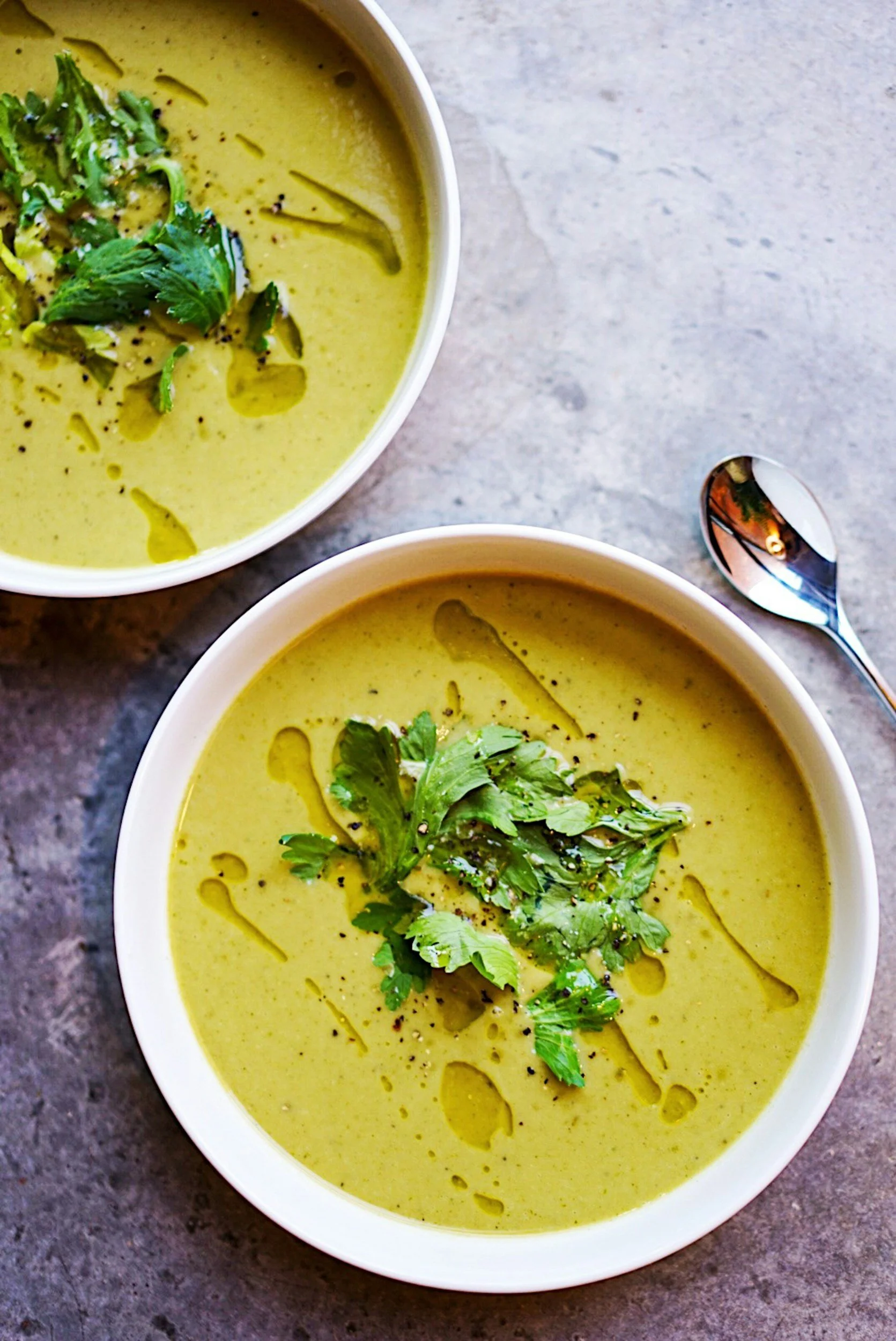
Vata is pacified by warm, moist, grounding, and well-cooked meals, and one of Ayurveda’s most trusted allies during this season is ghee.
Ghee is:
Warming without being inflammatory
Deeply nourishing to the nervous system
Supportive of digestion and absorption
Lubricating for joints and tissues
Calming for anxiety and mental restlessness
Adding a small amount of ghee to daily meals—such as soups, khichdi, cooked vegetables, rice, or warm porridges—helps counter the dryness and instability of winter.
This is not indulgence.
This is therapeutic nourishment.

Abhyanga: oiling the body to calm the mind
If winter has one non-negotiable self-care practice in Ayurveda, it is abhyanga—daily self oil massage.
When cold wind strips moisture from the skin, abhyanga restores what is lost.
A few minutes of warm oil applied to the body:
Grounds the nervous system
Calms anxiety and mental chatter
Improves circulation and warmth
Reduces joint stiffness and dryness
Supports deeper, more restful sleep
For Vata season, warm oils such as sesame oil or herbalized oils are traditionally used. The oil acts as a protective layer, reminding the body that it is safe, supported, and held.
Abhyanga is not about perfection or routine.
Even 5–10 minutes, a few times a week, can make a noticeable difference.
Living in rhythm with winter
Winter is not the season to push harder, eat lighter, or stay constantly busy.
It is a season to:
Eat warm, cooked, and nourishing foods
Slow down and create steady routines
Rest more without guilt
Protect the body from cold and wind
Choose practices that ground rather than stimulate
When we live in harmony with the season instead of resisting it, the body responds with greater ease and resilience.
A gentle reminder
If winter feels heavier, more tiring, or emotionally tender, nothing is wrong with you.
Your body is simply responding to the season.
Through warm food, ghee, oil massage, and intentional slowing down, Vata can be soothed, and winter can become a time of deep nourishment rather than depletion.
This is the wisdom Ayurveda offers:
not to fight nature, but to move with it.
